

When a web or mobile agency decides to outsource part of its activities, the goal is primarily to meet specific needs and support business growth. In this context, three main models stand out: freelancers, setting up a cost center, or partnering offshore. Each option comes with its own advantages and trade-offs.
1- Freelancers: a flexible option for startups and small businesses
Using freelancers offers high flexibility, especially for short-term and project-based needs. This makes it an accessible solution for startups and very small businesses looking to access expertise without long-term commitments.

Source : Morgan Philips Group 2024 Study
However, this approach also has limitations: unclear employment structures, limited alignment with company culture and processes, and inconsistent availability.
Highly in demand, freelancers can be difficult to retain over time, which may impact project stability and continuity.
2- Cost center: more investment, more control
Large enterprises often choose to establish offshore cost centers—dedicated teams working exclusively for them under a unified structure.
This model ensures full control over operations while fully integrating internal processes.
For example, IBM :
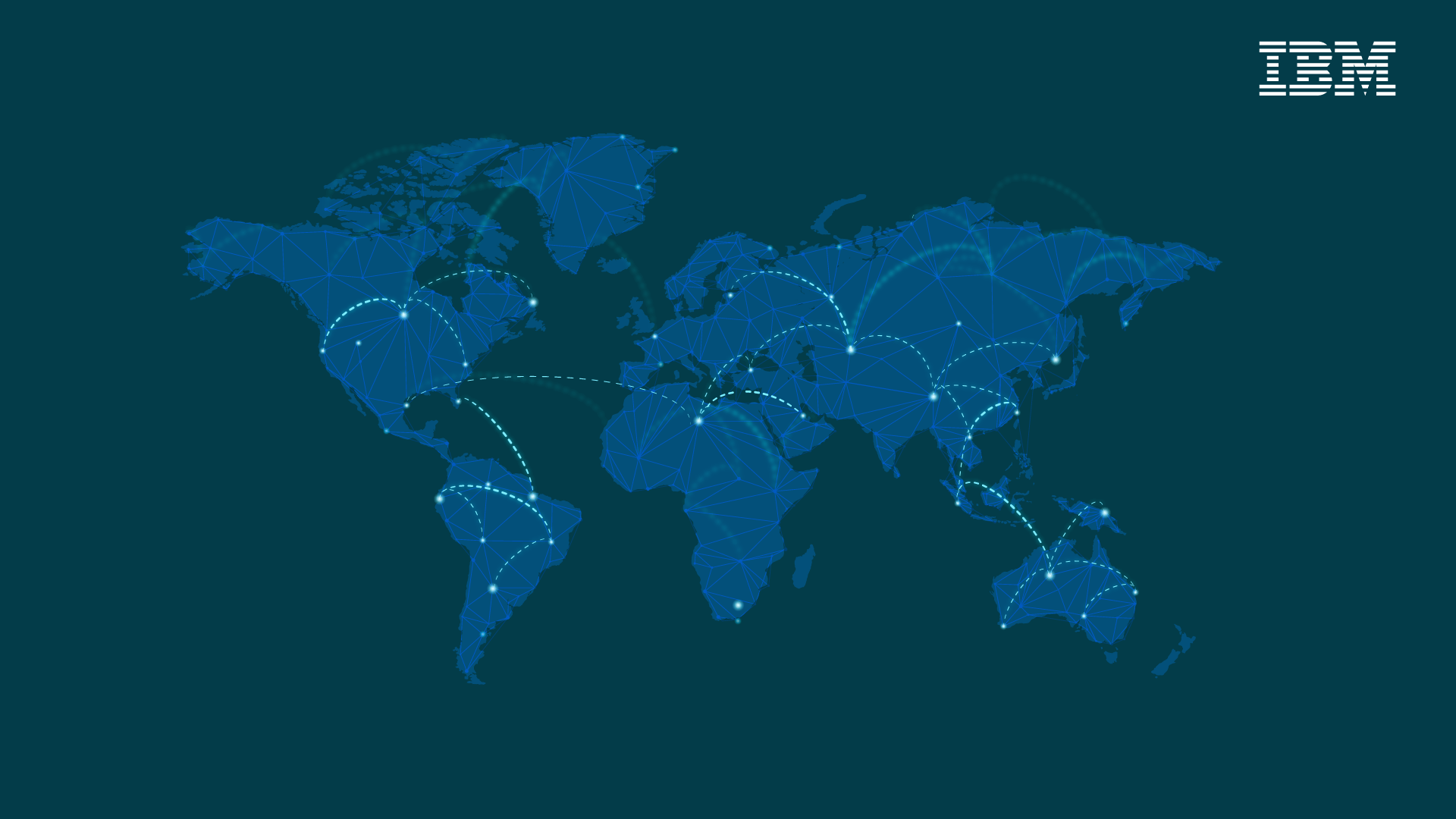
With a vast network of delivery centers, IBM has positioned itself as a global outsourcing leader, with 383,800 employees and $76.5 billion in revenue.
Source : Insider Monkey
However, this level of control comes at a cost. Setting up a local entity requires significant upfront investment: recruitment, IT infrastructure, and compliance with legal and tax regulations, often requiring local expertise.
In addition, companies may face several operational challenges :
-High competition in strategic locations, leading to aggressive talent acquisition and salary inflation
-Elevated salary expectations for talent working with foreign subsidiaries compared to local companies
-Hidden costs related to talent management, recruitment, and operational overhead
3 : Offshore / nearshore partnership: a scalable service model without heavy commitment
Growing agencies seeking scalability often turn to a more cost-efficient and less complex alternative: offshore or nearshore partnerships. This model provides many of the benefits of a cost center without the heavy investment required to build one.
By relying on an external partner, companies gain direct access to skilled experts without having to manage recruitment, onboarding, or infrastructure setup.
According to industry studies, 70% of companies outsource primarily to reduce costs. A McKinsey study shows that outsourcing can reduce operational costs by 20% to 30%, while also improving project efficiency thanks to optimized processes already in place at the provider level.

Source : Deloitte
This allows companies to focus more on business development and market positioning in an increasingly competitive landscape.
However, this model also comes with challenges, including the presence of low-quality providers and cost-driven agencies. Choosing the right partner is therefore critical to ensure strategic alignment and successful outsourcing outcomes.
Conclusion :
Freelancers :
- Advantages :
- Immediate access
- Short-term flexibility
- Ideal for startups and SMEs
- Limitations :
- Limited visibility
- Weak long-term engagement
- Inconsistent availability
Cost centers :
- Advantages :
- Full control
- Operational visibility
- Strong integration
- Limitations :
- High investment
- Complex management
- Legal and fiscal constraints
Offshore / nearshore partners :
- Advantages :
- Scalability
- Access to expert networks
- Cost efficiency for growing agencies
- Limitations :
- Market saturation
- Low-cost competition
- Cultural and communication gaps
Ultimately, the choice between freelancers, a cost center, or an offshore partner depends on the size, vision, and strategic goals of each agency.
With over 11 years of experience in offshoring, we bring our expertise to support your growth. Let’s discuss the key success factors for building a strong and effective partnership.