

Are you considering working with an offshore partner for your IT projects? The success of such collaboration depends on one key factor: how well both teams integrate and operate as a unified system
But what truly makes an offshore partnership successful?
It comes down to three essential pillars: Credibility, Culture, and Communication. Together, they form the foundation of a high-performing, scalable collaboration model.
Credibility
Credibility is the foundation of any successful offshore partnership. It is not declared — it is demonstrated over time through actions, structure, and delivery.
In business, credibility is built through:
-
Integrity: Aligning actions with commitments
-
Transparency: Clear expectations and open communication
-
Consistency: Reliable delivery over time
- Expertise: Demonstrating real technical and operational capability

A strong offshore partner reinforces credibility through structured processes, well-defined workflows, and formal agreements such as NDAs. These elements ensure security, reduce uncertainty, and confirm the ability to handle complex projects at scale.
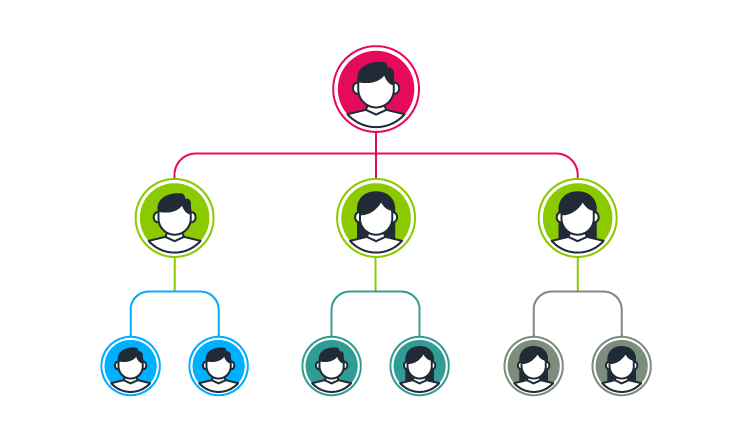
Ultimately, credibility sets the foundation for a long-term and stable collaboration.
Culture
Culture defines how teams work together beyond processes and tools. It represents the shared values, mindset, and working principles that connect internal and offshore teams into one unified organization.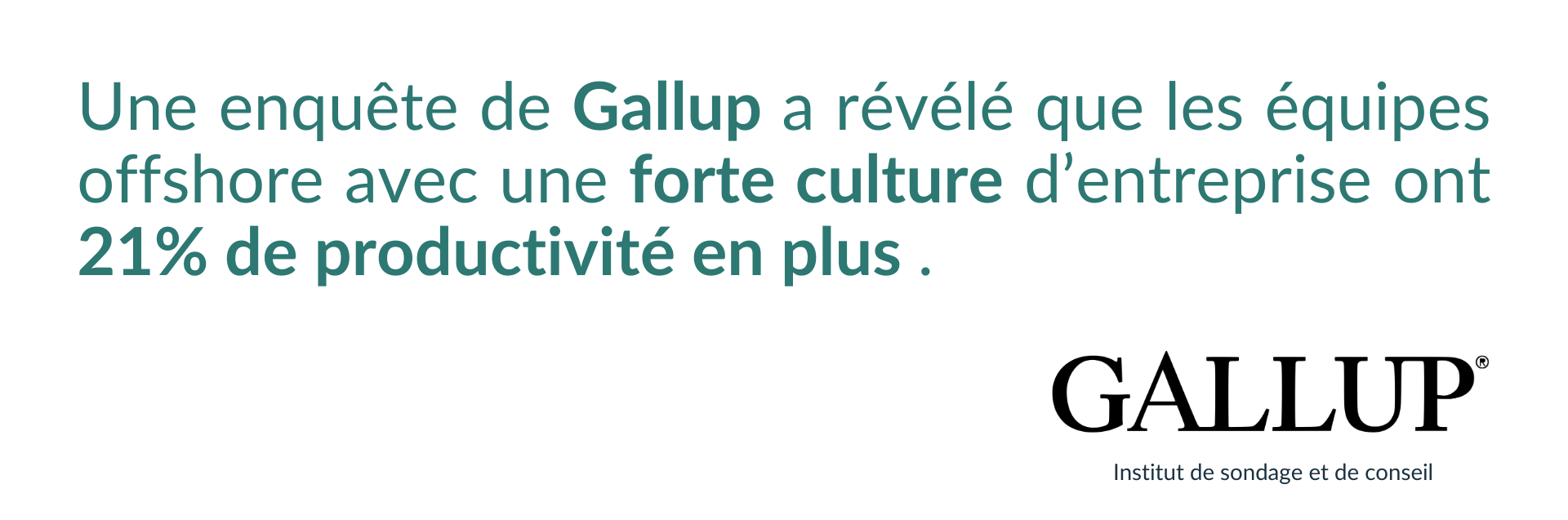
Every agency has its own DNA. That’s why choosing the right partner is not just a technical decision — it is a cultural alignment.
The goal is to move beyond a simple client–vendor relationship and build a single integrated team, where success and challenges are shared.
At PixiMind, for example, 100% of partnerships have been maintained over the past 11 years (2024 data), thanks to strong alignment around core collaboration principles.
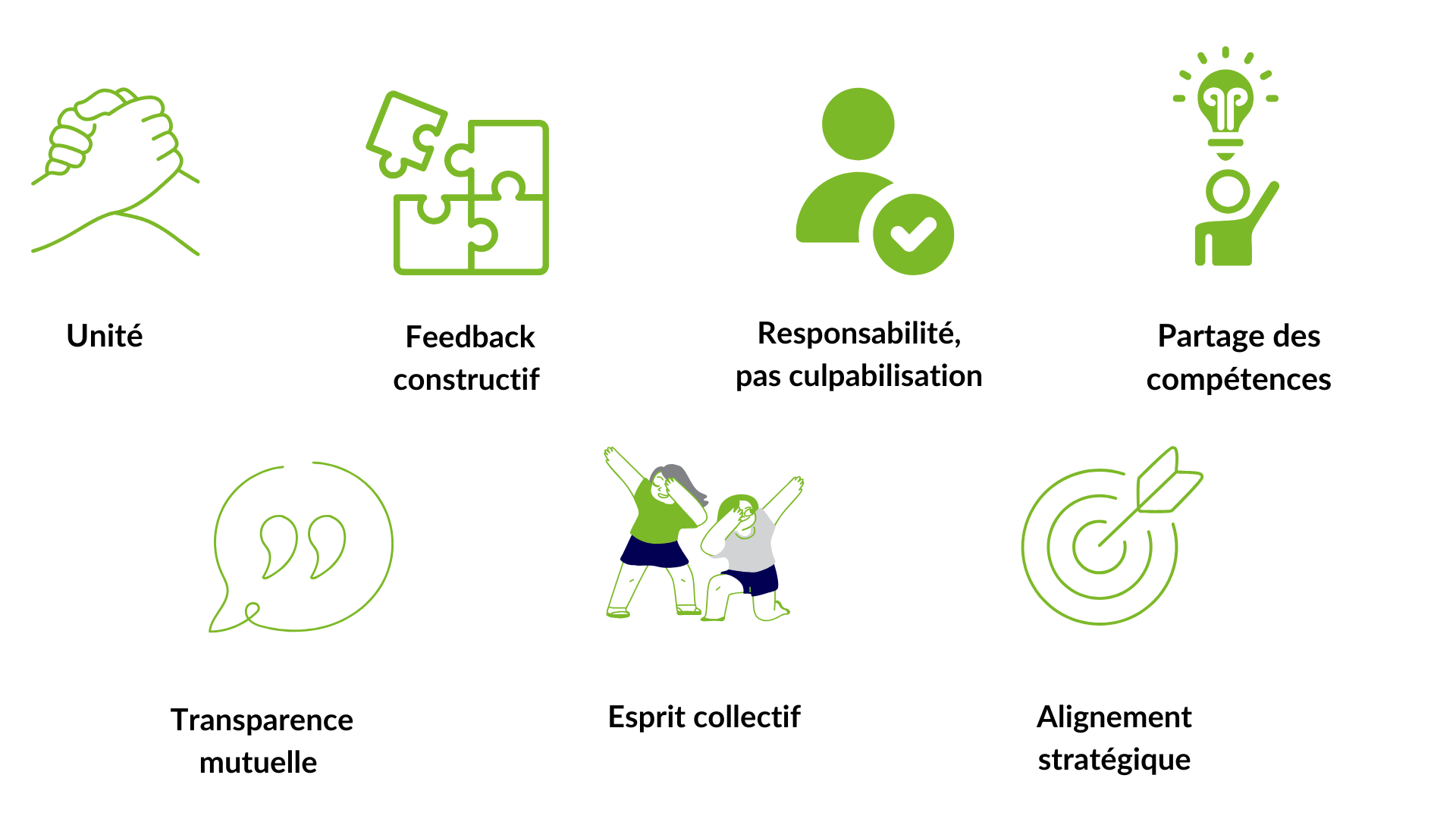
This proves that what is often called “culture fit” is not a concept — it is a performance driver.
Communication
In offshore collaboration, communication is what keeps everything aligned, efficient, and predictable.
Without a clear communication framework, even strong teams can lose efficiency.
That’s why successful partnerships define:
-
Who to contact: A clear point of responsibility per topic
-
When to communicate: A structured rhythm (daily, weekly, sprint-based)
- How to communicate: Video calls for decisions and alignment / Slack, email, or collaboration tools for ongoing updates

This combination ensures smooth coordination across time zones and improves decision-making speed.
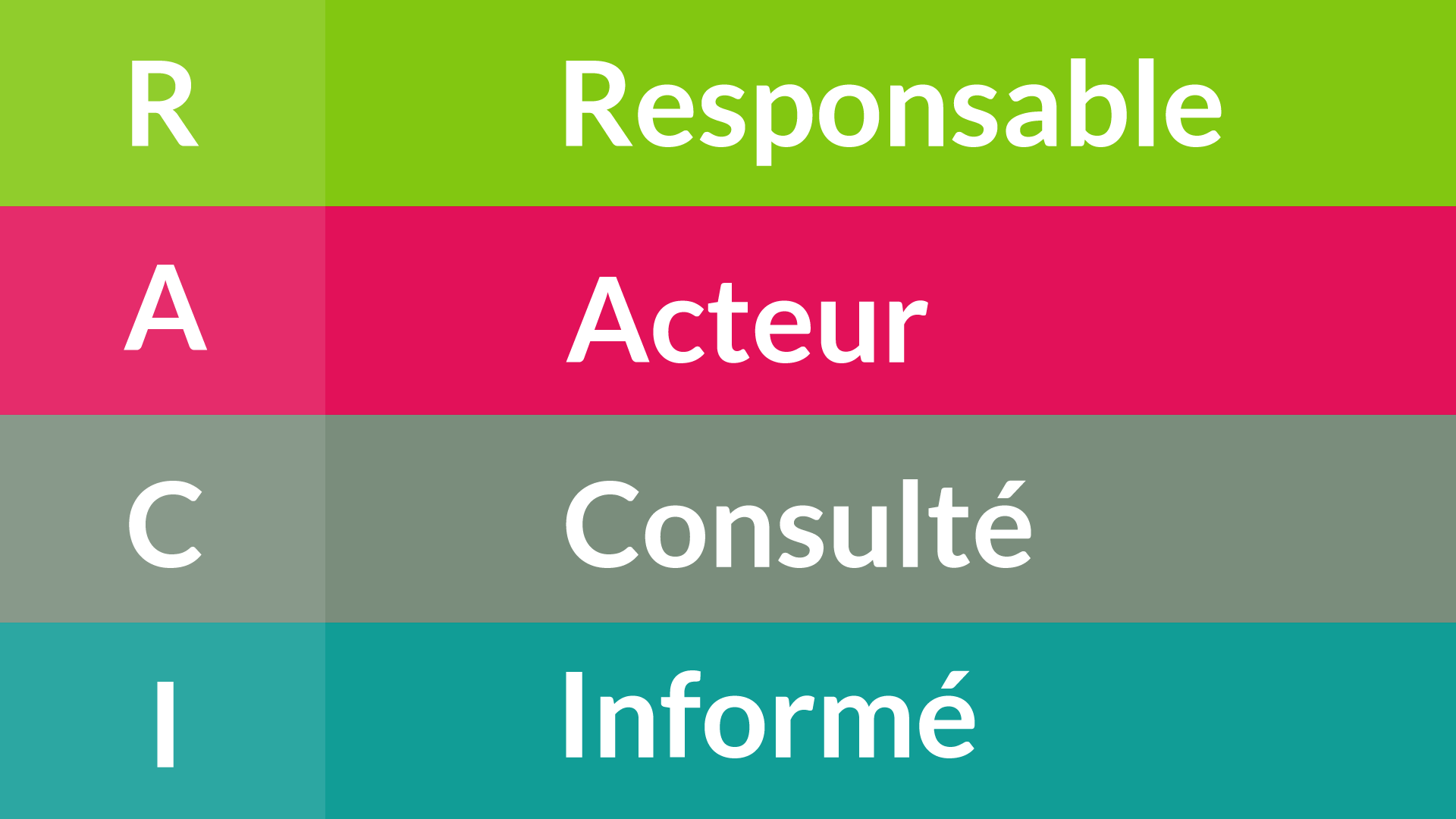
Active listening is also essential continuous feedback loops help refine processes and improve performance over time. Some organizations also implement a RACI matrix to clearly define roles and responsibilities, reducing ambiguity and overlap.
Conclusion
A successful offshore partnership is not just about outsourcing work it is about building a scalable and well-integrated delivery model.
Credibility ensures reliability.
Culture ensures alignment.
Communication ensures execution.
When these three pillars are strong, offshore collaboration becomes a real growth accelerator rather than just a cost optimization strategy.
If you share this vision of high-performance collaboration, let’s connect and build impactful IT projects together.